Hear the alarms that matter, not all of them.
A site with trucks, fans and gas detectors raises alarms all shift. The noise report shows which sources raise the most and how much the rules remove, so control room staff can fix the cause.
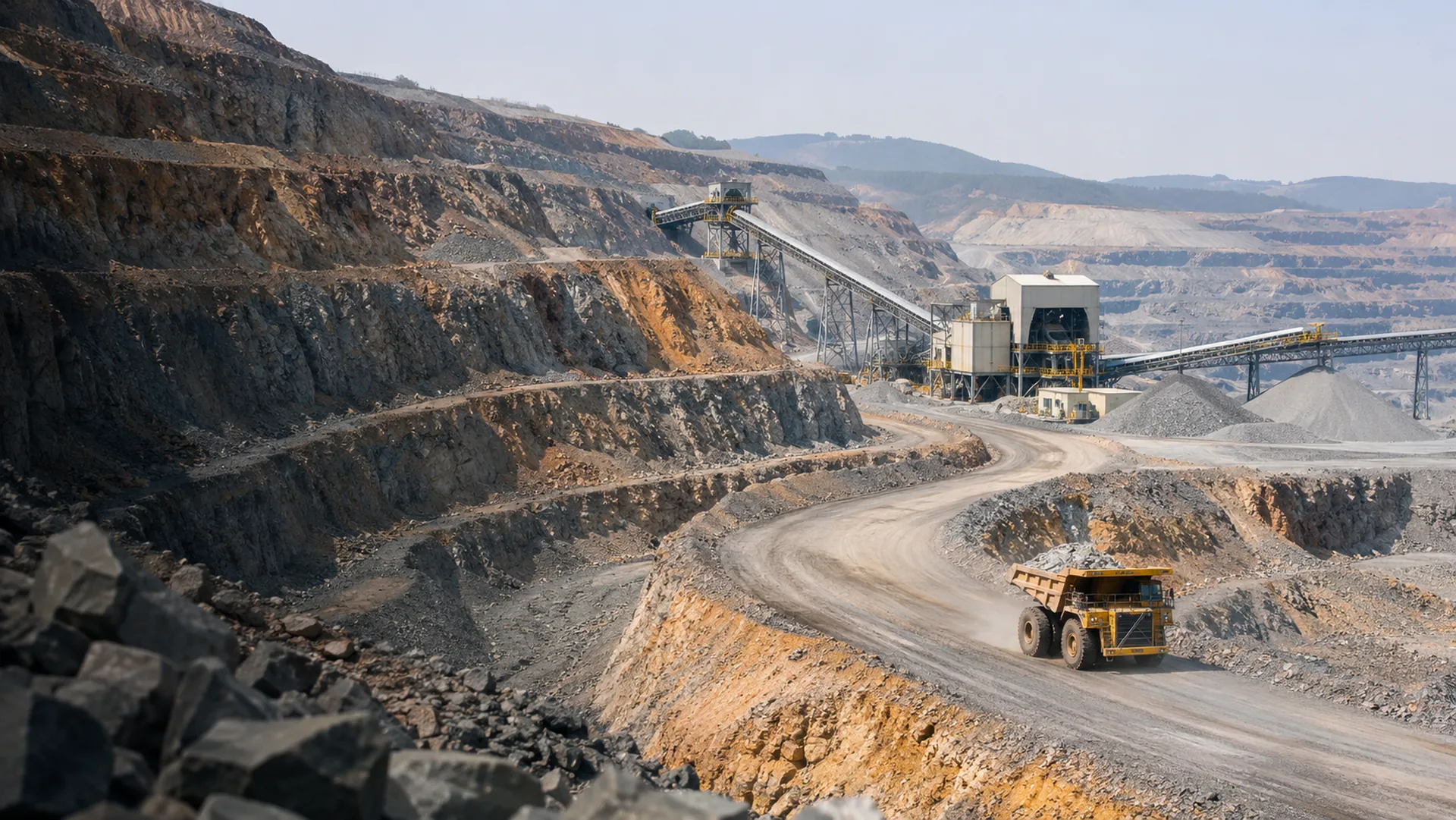
Ventilation, gas detection, haul trucks and conveyors across surface and underground sites, from one control room.
Mines are spread out and hard to reach, and conditions underground matter to the safety of the people working there.
Central monitoring and control mean your team sees a tripped conveyor or a low-airflow fan from the control room.
Ventilation.Gas detection.Haul trucks.Personnel.
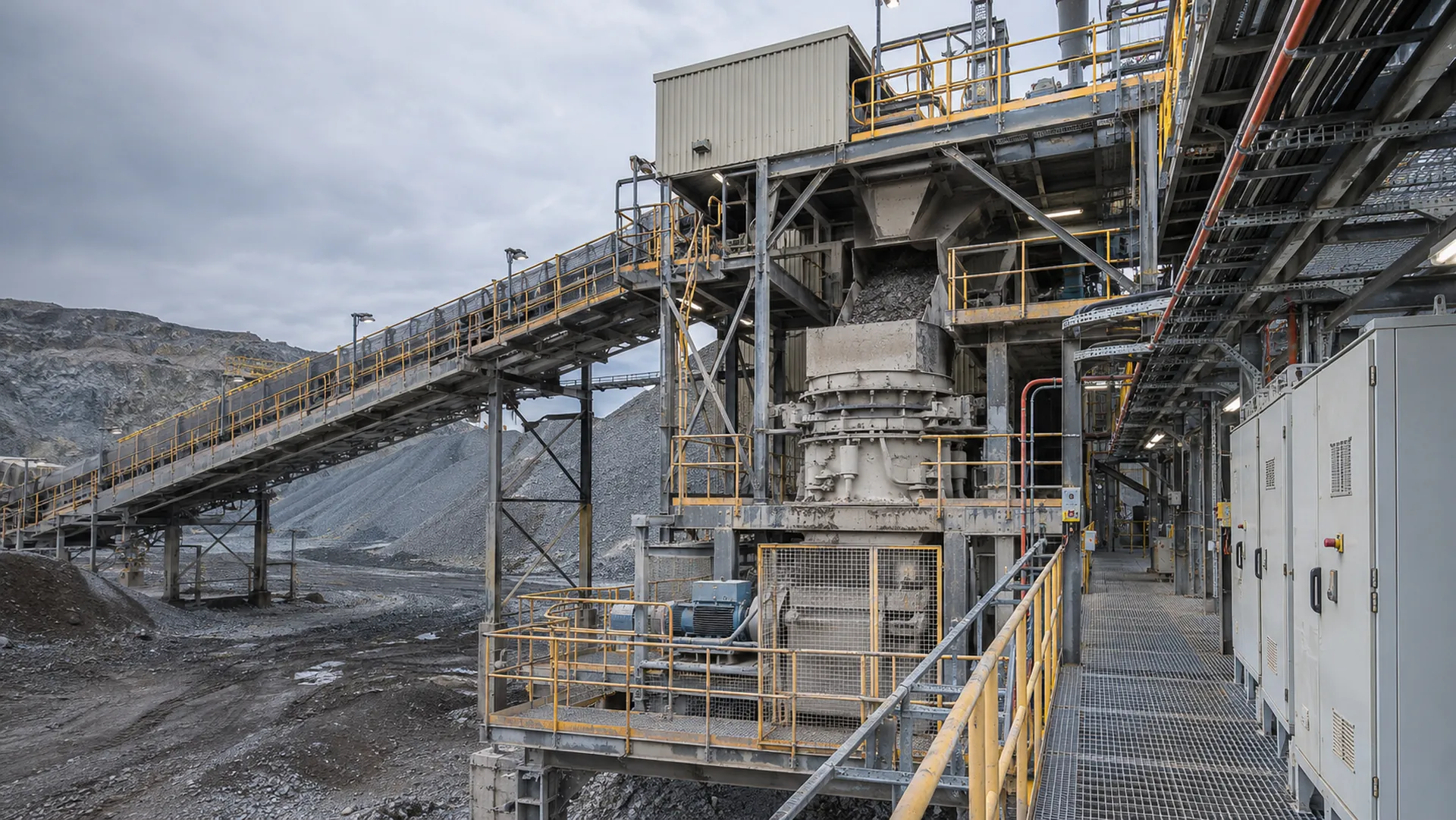
Haul trucks, ventilation, gas detection and personnel, across surface and underground sites, with central control.
A site with trucks, fans and gas detectors raises alarms all shift. The noise report shows which sources raise the most and how much the rules remove, so control room staff can fix the cause.
Safety, equipment and production, monitored together.
Real-time safety monitoring with environmental sensors, gas detection and emergency response systems. Fans report airflow, and gas detection alarms reach the control room with everything else.
Equipment tracking, predictive maintenance and performance optimization. Every machine is a record in Tessera with its changes and tickets, and its live status is in Mosaic.
Analytics and reporting for production, resource planning and operational efficiency, scheduled as PDF, Excel or CSV reports from your own history database.
Ventilation, gas detection, equipment and environmental sensors, across surface and underground operations.
Yes. Central control reaches across remote sites, so your team can see conditions without traveling to them.
Yes. It covers underground systems such as ventilation and gas detection, and surface operations such as haul truck fleets.