Act from the alarm itself.
When equipment at a plant or dam faults, your team can acknowledge it, take ownership, open its panel or send a command from the alarm list.
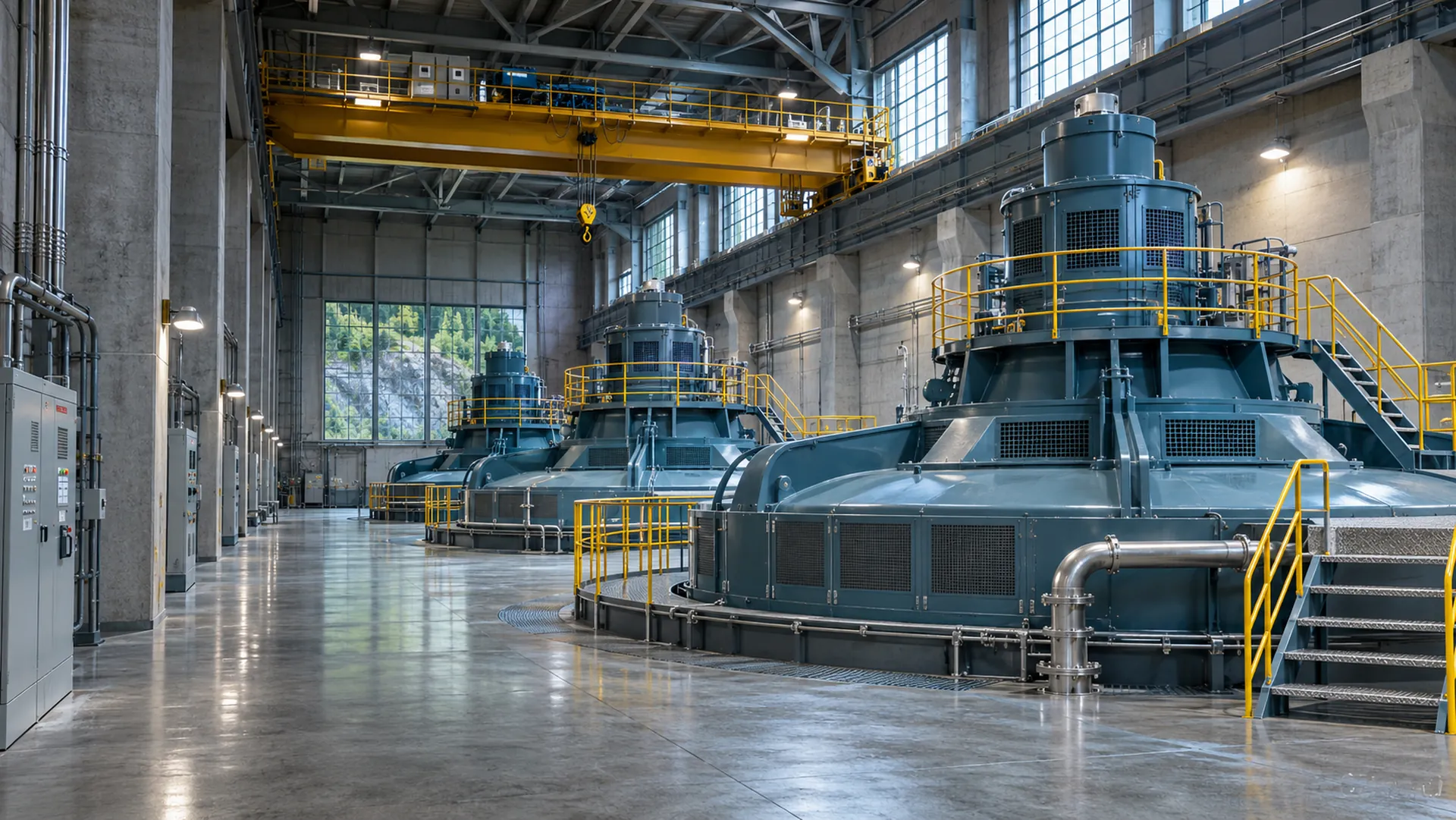
Turbines, reservoirs, substations and remote links, with each alarm one click from the command that answers it.
From the bearing to the breaker.
Hydroelectric plant control with water flow management, turbine optimization and environmental monitoring. Each unit's output, bearing temperature and standby state sit on one scheme diagram.
Real-time grid monitoring, load balancing and automatic switching for power distribution. Single-line diagrams show breaker states, feeders and transformer temperatures, and commands go out from the alarm.
Analytics for energy efficiency, predictive maintenance and operations, with turbine and bearing condition kept in your own history database and scheduled reports in PDF, Excel or CSV.
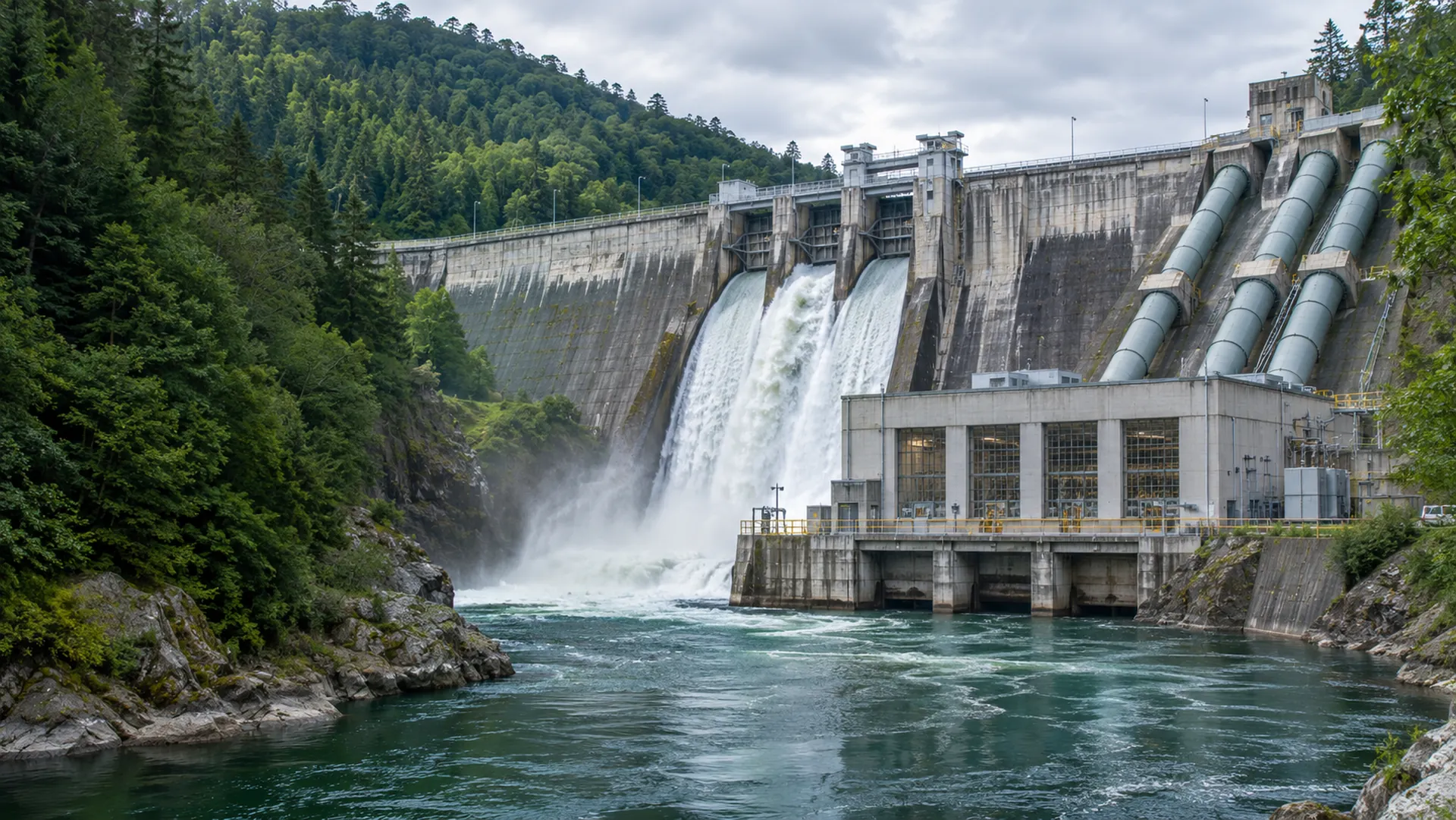
The hydro scheme, the substation single-line and the remote links sit in one system, so a hot bearing and a tripped feeder show in the same alarm list.
When equipment at a plant or dam faults, your team can acknowledge it, take ownership, open its panel or send a command from the alarm list.
Generation depends on equipment, water and the grid at the same time, and plants are often far from the people who run them.
One view of plants, dams and distribution lets your team see equipment health, act on it and respond when something goes wrong.
Turbines.Reservoirs.Water flow.Grid load.
Dams, reservoirs, turbines and grid load, from one view.
Yes. You can control hydroelectric plants and power generation equipment centrally, with automated workflows.
Yes. Monitoring and control can span every plant in one system.